Stories, Renovation Guides & Practical Advice
Explore expert home maintenance tips, contractor project breakdowns, safety checklists, and budget guides.
Renovations
Underfloor Heating in Existing Homes: Low-Profile Retrofit Systems
Wet underfloor heating used to need 60โ80 mm of new screed. Retrofit systems now add 15โ25 mm, pair well with heat pumps and can go over an existing floor. The outputs, build-ups and limits in numbers.
Energy Efficiency
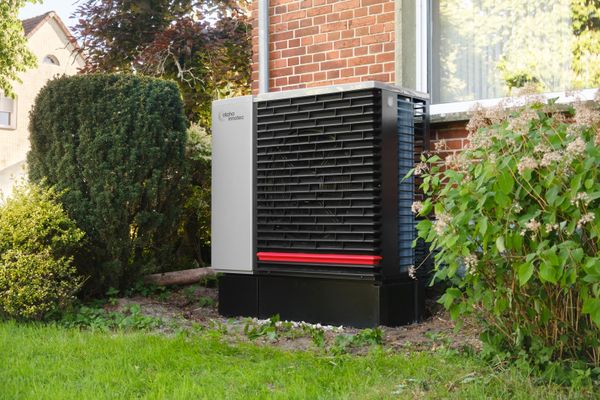
Heat Pump Retrofit: What Changes in the House Besides the Boiler
An air-to-water heat pump replaces the boiler, but its efficiency is decided by the rest of the house: radiator sizes, pipework, hot-water storage and insulation. The facts to check before signing a quote.
Energy Efficiency
Windows in 2026: Triple Glazing, Coatings, Spacers and Frames Explained
Replacement windows are the most common energy upgrade and the most frequently over-specified one. The U-values, g-values and installation details that actually determine comfort and bills.
Energy Efficiency
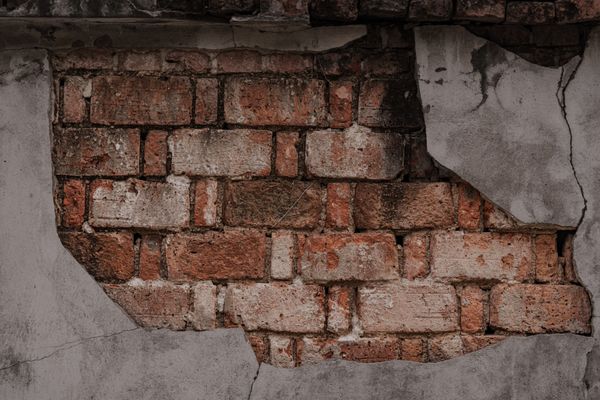
Thin Insulation for Solid Walls: Aerogel, Vacuum Panels and Calcium Silicate
Older houses with solid brick or stone walls lose up to a third of their heat through the walls, and external insulation is often not permitted. Three thin, high-performance materials make internal insulation possible in 20โ50 mm โ with strict rules on moisture.
Energy Efficiency
Bio-Based Insulation: Hemp, Wood Fibre, Cellulose, Cork and Straw
Plant-based insulation has moved from eco-niche to the mainstream catalogues of Europe's largest manufacturers. The thermal numbers, moisture behaviour, fire ratings and carbon storage of the five materials most often specified in renovations.
Energy Efficiency
Insulation Materials Compared: Mineral Wool, EPS, PIR, Wood Fibre and Cellulose
Every insulation is sold on thickness and price, but lambda value, fire class, moisture behaviour and embodied carbon decide which belongs where. The facts for the common materials in one place.
Renovations
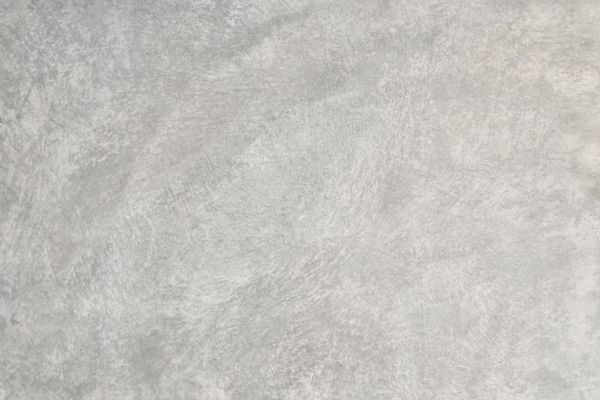
Microcement: Seamless Floors and Walls Without Demolition
Microcement gives the polished-concrete look in a coating only 2โ3 mm thick, applied over existing tiles or screed. Facts on build-up, durability, cost and the substrate conditions that decide whether it lasts.
Renovations
Rigid-Core Vinyl Flooring (SPC and WPC): What the Labels Really Mean
Rigid-core vinyl is one of the fastest-growing hard floors in Europe because it clicks over old floors and shrugs off water. The acronyms, the numbers that matter, and where it should not go.
Renovations
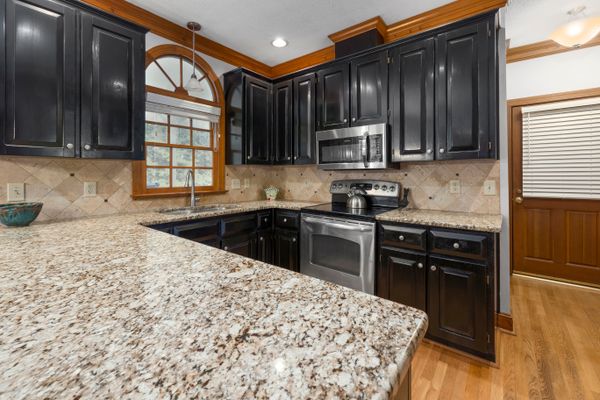
Sintered Stone, Porcelain or Quartz? Choosing a Worktop in 2026
Engineered quartz dominated kitchens for fifteen years; sintered stone and large porcelain slabs are now taking share because they are UV-stable, heat-proof and lower in crystalline silica. The facts to compare before you order.